Introduction
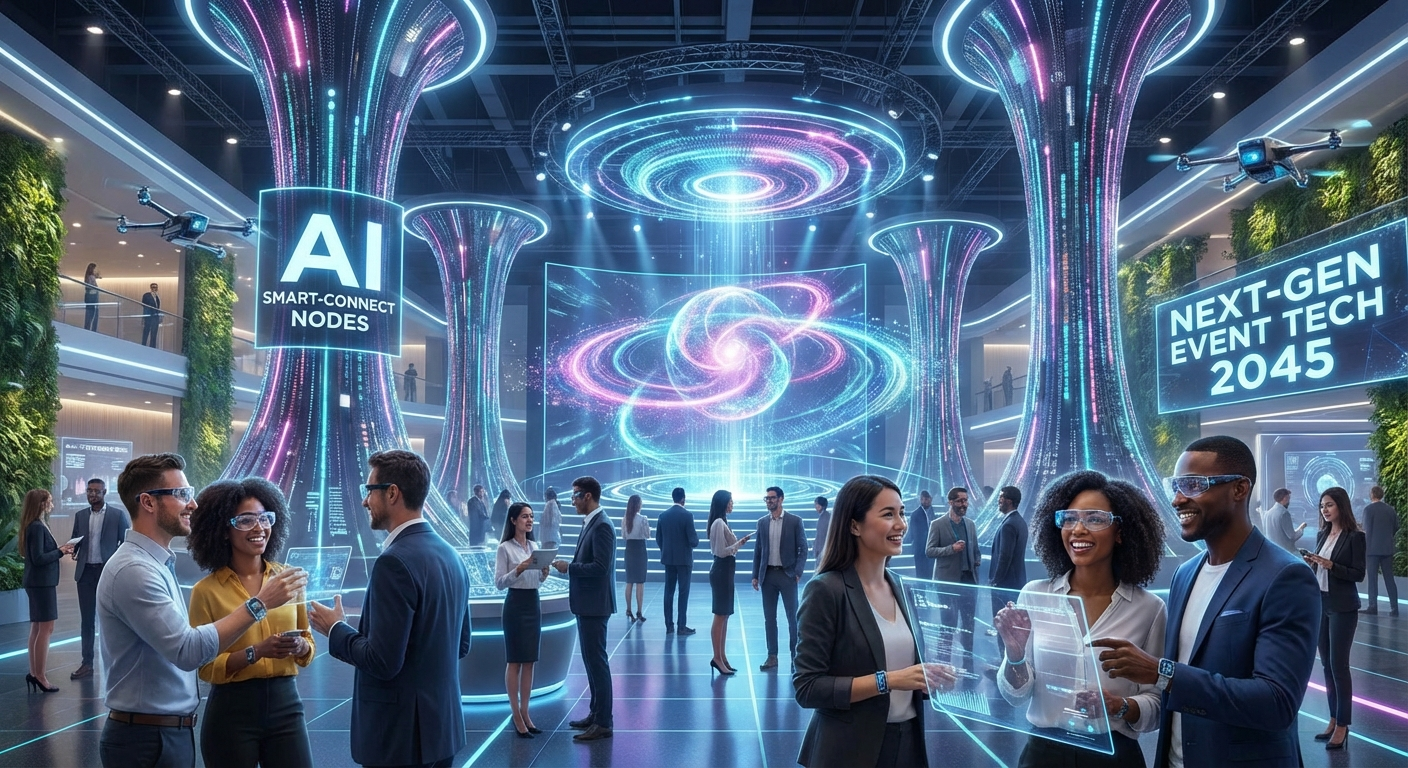
Events have transformed dramatically over the last decade. What used to be a checklist of venue, speakers, and logistics has evolved into a dynamic experience that engages attendees at every stage of their journey. Whether it’s a hybrid summit, an industry conference, or a community meetup, today’s events must deliver personalization, seamless interaction, data-driven insights, and memorable experiences. But achieving this consistently is a challenge. Fragmented systems, manual workflows, and siloed data hold event teams back from creating truly future-ready event experiences.
In this guide, we explore how the modern event landscape is evolving, what challenges event organizers face, and how Modern Event Platforms like EventHex enable smarter, more engaging, and data-powered events. We also detail the key elements that define next-generation events and how to implement them in your event strategy using Modern Event Platforms.
Why Traditional Event Tools Fall Short
Event organizers often start their journey with the best intentions. They rent venues, set agendas, recruit speakers, and launch marketing campaigns. But when it comes to execution, they encounter persistent hurdles that Modern Event Platforms are designed to solve:
1. Disconnected Workflows
Many organizing teams juggle separate tools for registrations, ticketing, speaker management, communications, and onsite check-ins. Each works on its own but doesn’t talk to the others, leading to:
• Duplicate data entry
• Misaligned timelines
• Confusion among team members
• Gaps in reporting and insights
This fragmentation also weakens attendee engagement, because personalization and real-time feedback are nearly impossible when data lives in several places. This is exactly why organizations are shifting toward Modern Event Platforms.
2. Manual and Reactive Processes
Without automation, teams are stuck reacting to issues rather than planning proactively. Manual check-ins, email lists, spreadsheets, and manual reconciliations eat time and introduce errors. This not only delays strategic decisions but also distracts teams from building meaningful experiences for attendees. Modern Event Platforms reduce this workload by automating repetitive tasks.
3. Incomplete Attendee Journeys
Traditionally, attendee journeys have been measured in terms of check-ins and session attendance only. Error-prone systems make it difficult to capture nuanced behaviors like networking preferences, session interests, engagement levels, and follow-up actions after the event ends.
These gaps hinder the ability to retain attendees, tailor experiences, and maximize sponsor value. This is why Modern Event Platforms are becoming essential for full lifecycle engagement.
The Shift to Unified Event Platforms
To overcome these challenges, event organizers are transitioning away from siloed tech stacks and toward unified event platforms. Modern Event Platforms centralize every aspect of event operations, attendee interactions, and data analytics into one ecosystem.
Instead of using five separate systems, teams can now use Modern Event Platforms to:
• Manage registrations and ticketing in one place
• Coordinate speakers and sessions from a central dashboard
• Track attendee behavior in real time
• Launch invitations, reminders, and follow-ups automatically
• Capture analytics and feedback before, during, and after the event
This unified approach not only simplifies workflows but also enhances attendee engagement by enabling personalized experiences and smarter decision-making through Modern Event Platforms.
What Makes an Event Future-Ready?
To be successful in today’s climate, an event must be more than organized. It must be connected, responsive, and data-driven. Here are the pillars of a future-ready event experience powered by Modern Event Platforms:
1. Personalized Attendee Journeys
Attendees no longer want generic broadcasts. They seek relevance.
Future-ready events use data to tailor experiences:
• Session recommendations based on interests
• Networking suggestions aligned with attendee goals
• Personalized reminders and content
This level of personalization deepens engagement, increases satisfaction, and improves retention long after the event ends. This is one of the biggest strengths of Modern Event Platforms.
2. Real-Time Tracking and Insights
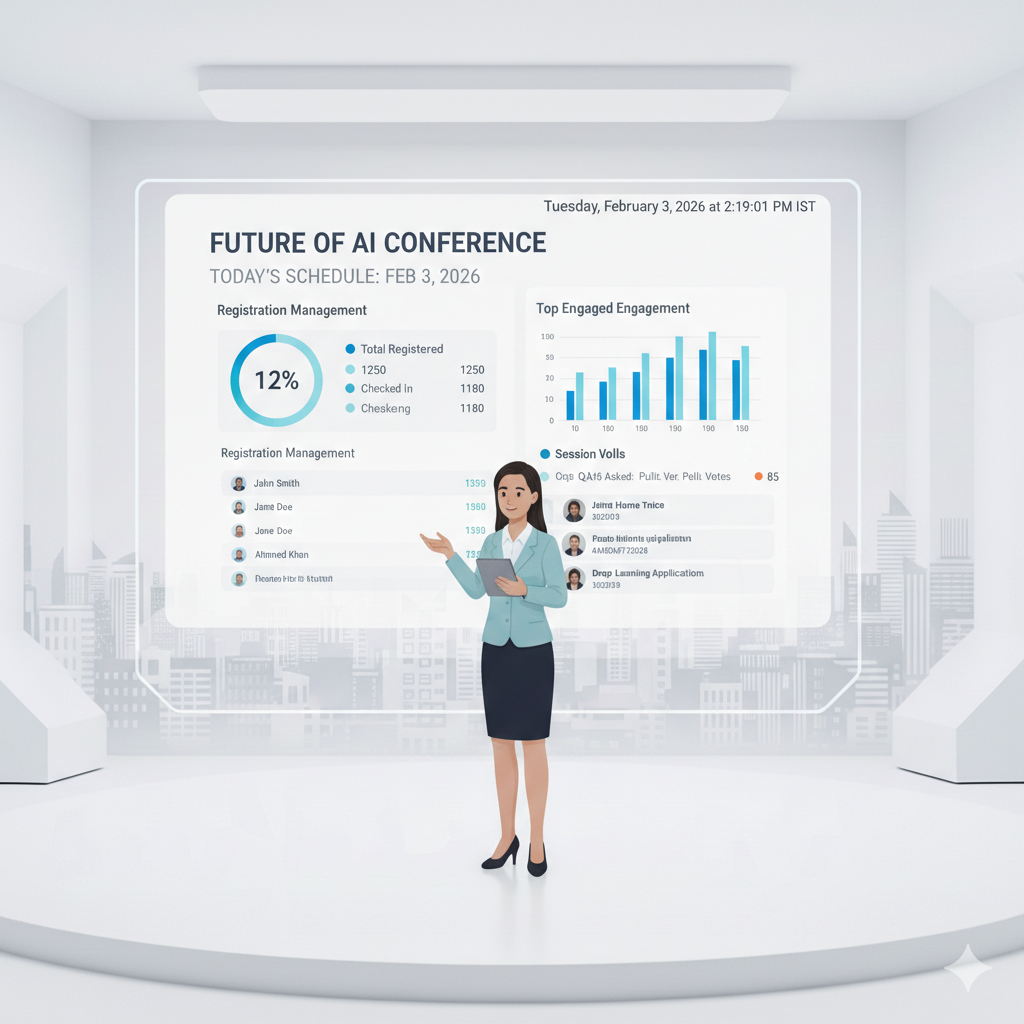
Gone are the days when organizers waited days for post-event reports. Today’s events demand real-time visibility, and Modern Event Platforms make it possible:
• Live registration tracking
• Onsite attendance heatmaps
• Popular session ratings
• Engagement trends as they unfold
Real-time intelligence helps teams identify bottlenecks before they become problems, which is why Modern Event Platforms are critical for high-performing events.
3. Automation from Sign-Up to Follow-Up
Automation allows teams to focus on strategy rather than repetitive tasks. With Modern Event Platforms, organizers can:
• Automate email and SMS reminders
• Schedule follow-up surveys
• Launch targeted campaigns using attendee behavior
• Sync changes across schedules and agendas instantly
Automating these processes improves accuracy and strengthens attendee relationships by delivering timely, relevant communication, which is a major advantage of Modern Event Platforms.
4. Integrated Analytics Across the Event Lifecycle
Events generate massive amounts of data, from registrations and check-ins to session feedback and sponsor interactions. But data only becomes useful when it’s connected and analyzed in context. This is where Modern Event Platforms bring real value.
Integrated analytics provide:
• Registration and conversion trends
• Engagement levels per session
• Sponsor interaction and ROI metrics
• Post-event feedback insights
With these insights, teams can design better future events and demonstrate value to stakeholders using Modern Event Platforms.
How EventHex Enables Next-Gen Events
Platforms like EventHex are designed to support these pillars by unifying data and workflows into a single intelligent system. EventHex is one of the Modern Event Platforms built to deliver seamless execution and deeper engagement.
Centralized Event Dashboard
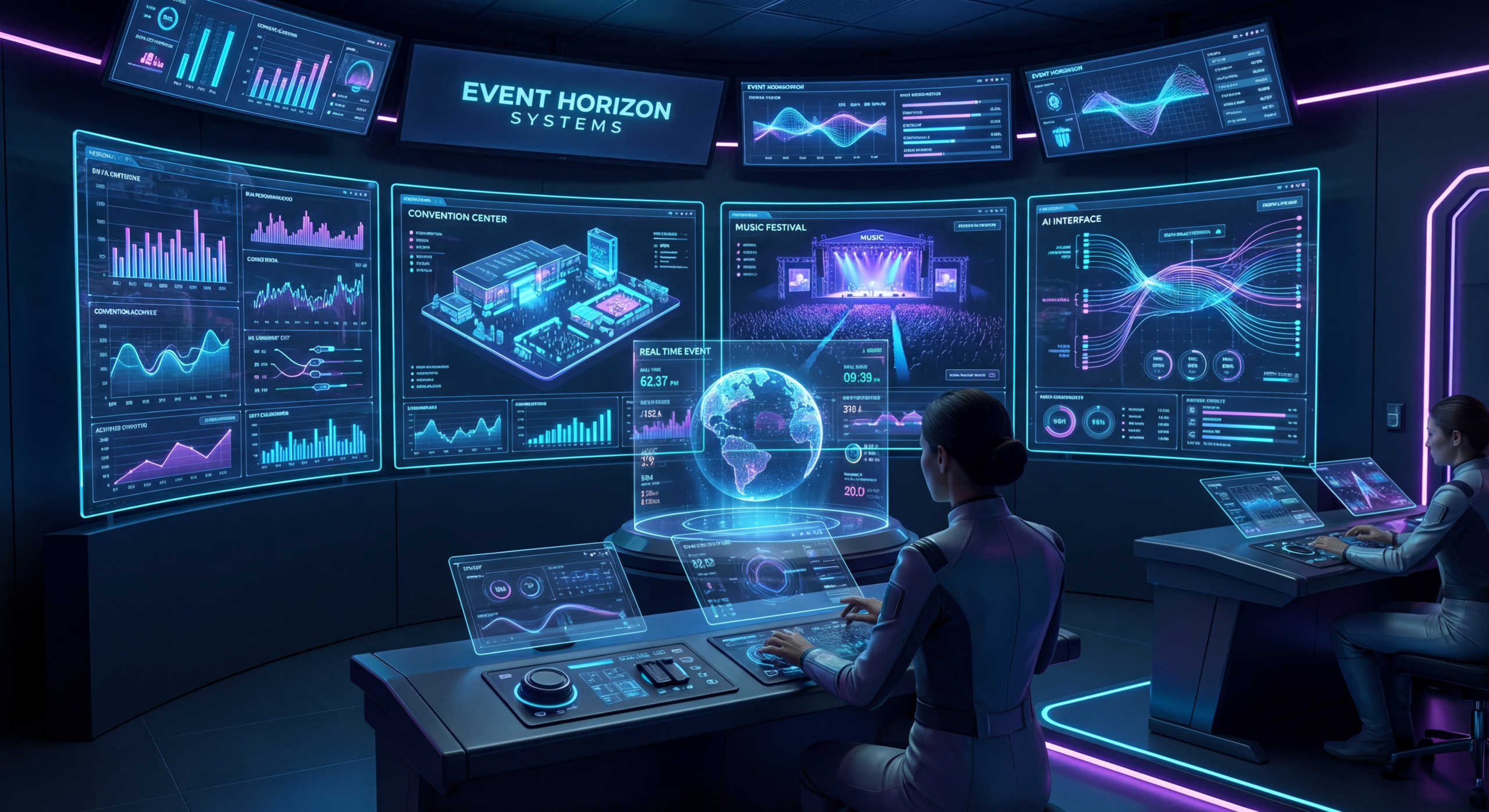
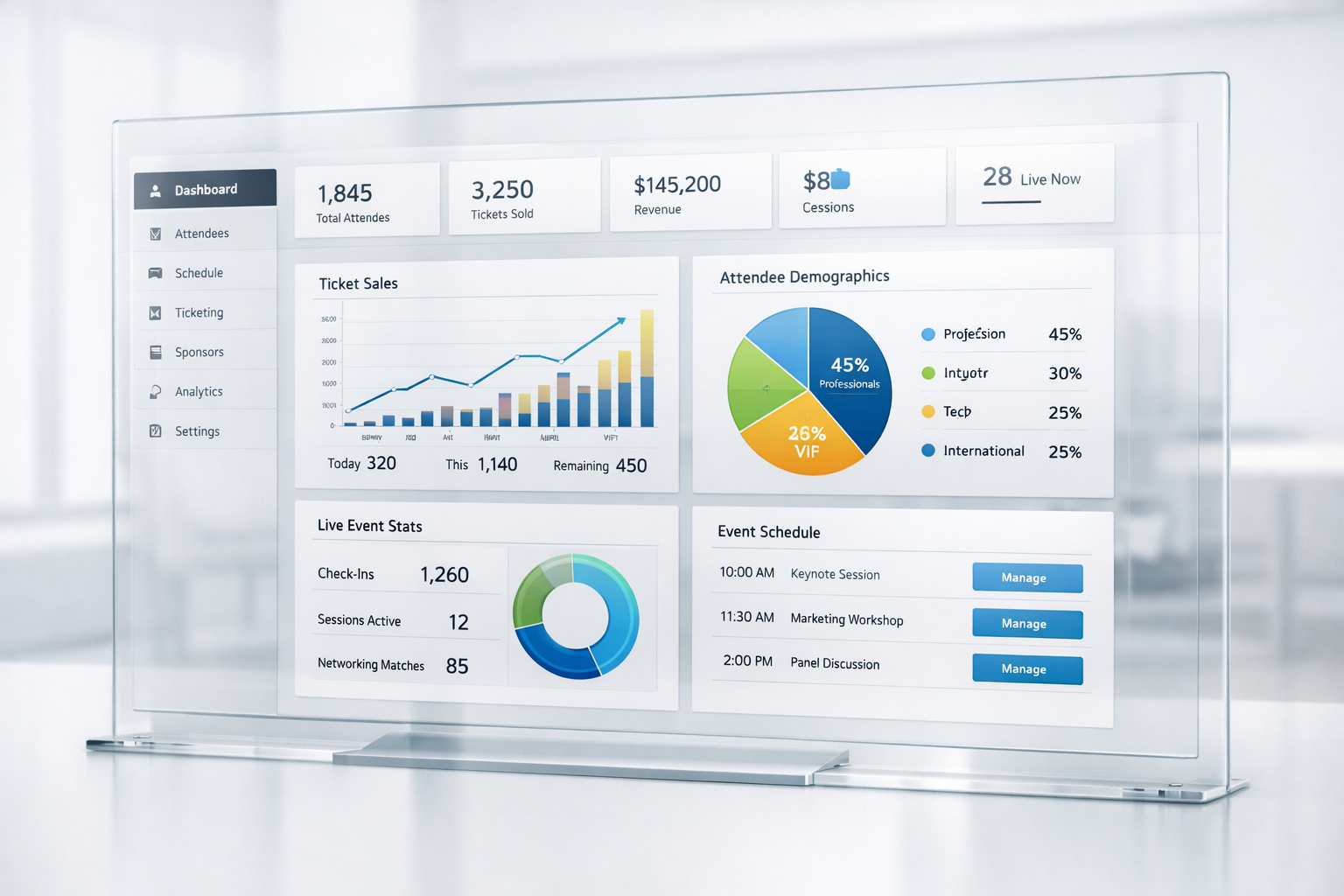
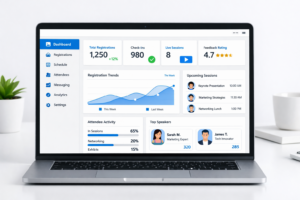
With one dashboard, teams can oversee an entire event from planning to execution to post-event analysis. No more toggling between tools or reconciling different data sources.
A centralized dashboard provides:
• End-to-end visibility
• Single source of truth for all event data
• Faster decision-making
• Clear operational accountability
This is a key feature of leading Modern Event Platforms like EventHex.
AI-Driven Personalization
EventHex uses AI to understand attendee behavior and preferences. This enables:
• Session suggestions tailored to individual interests
• Smart networking matches
• Customized communication journeys
Such personalization boosts attendee engagement by making every interaction feel more relevant and purposeful. This is why AI-powered Modern Event Platforms are redefining event experiences.
Automated Engagement Workflows
Manual communication can be time-consuming and inconsistent. With automated workflows, EventHex allows you to:
• Trigger follow-ups after sessions
• Send reminders for upcoming activities
• Retarget attendees for future events
• Launch campaigns based on event behavior
These workflows not only save time but also strengthen attendee relationships across the event lifecycle, proving the power of Modern Event Platforms.
Smart Check-In and Attendance Tracking
On-site check-ins are no longer a pain point. With digital check-ins and real-time syncing offered by Modern Event Platforms:
• Queues are reduced
• Attendance insights update immediately
• Organizers can monitor crowd flow
This improves operational experience and increases attendee satisfaction.
Sponsor and Speaker Experience Optimization
Sponsors and speakers are key stakeholders whose experience matters just as much as that of attendees. EventHex helps by:
• Centralizing sponsor deliverables and performance metrics
• Tracking sponsor engagement and ROI
• Streamlining speaker scheduling and communication
When sponsors see clear engagement metrics and ROI, they are more likely to renew and invest further. This is another reason Modern Event Platforms are becoming the standard for professional event teams.
Implementing a Future-Ready Event Strategy
Transitioning to Modern Event Platforms is only part of the equation. To fully benefit, organizers need a clear strategy that aligns technology with goals.
Here’s a step-by-step implementation roadmap:
Step 1: Define Event Goals
Start with clarity. Ask questions like:
• What is our primary purpose?
• Who are our target attendees?
• What engagement outcomes matter most?
• What metrics will define success?
Having clear goals guides tool selection and strategy when adopting Modern Event Platforms.
Step 2: Map the Attendee Journey
Outline every touchpoint:
• Registering and purchasing tickets
• Receiving event updates
• Interacting onsite
• Engaging with sponsors and content
• Post-event follow-ups
Mapping these journeys helps identify areas where personalization and automation can add the most value through Modern Event Platforms.
Step 3: Choose a Unified Platform
Select a platform that supports:
• Centralized data and workflows
• Automated communication
• Real-time analytics
• Personalization and engagement tools
This minimizes fragmentation and enables seamless execution, which is the core purpose of Modern Event Platforms.
Step 4: Automate What You Can
Automate repetitive tasks to free your team to focus on strategy and experience design. Automation not only improves accuracy but also ensures consistency in communication, which is why Modern Event Platforms are essential.
Step 5: Measure and Iterate
After your event, collect data from all touchpoints and analyze it holistically. Use this to:
• Compare engagement trends year over year
• Assess sponsor satisfaction
• Improve workflows
• Create insights for better planning next time
Iterating based on data helps your events evolve and remain future-proof with the help of Modern Event Platforms.
Conclusion
The future of events is not just about logistics; it’s about crafting experiences that are intelligent, personalized, and seamless from start to finish. As organizers face rising expectations and increasing complexity, event technology must move beyond simple task execution to strategic orchestration.
Unified solutions like EventHex, one of today’s leading Modern Event Platforms, solve this by centralizing data, automating workflows, enabling real-time insights, and enhancing attendee engagement throughout the event lifecycle. By adopting a future-ready approach, event teams can move from managing chaos to creating meaningful experiences that drive retention, satisfaction, and long-term success.
If you want events that are memorable, efficient, and aligned with your organizational goals, it’s time to rethink how you plan, manage, and measure success using Modern Event Platforms.
Related Reading for Event Success:
- The Future of Event Booking Platforms: How Smart Software is Transforming Experiences
- Sustainable and Eco-Friendly Event Planning: A Practical Guide to Greener Events in 2026
By leveraging next-gen event technology and immersive attendee experience, organizers can significantly enhance AI-driven event personalization. This strategic approach ensures every event is backed by the latest innovation in event technology.